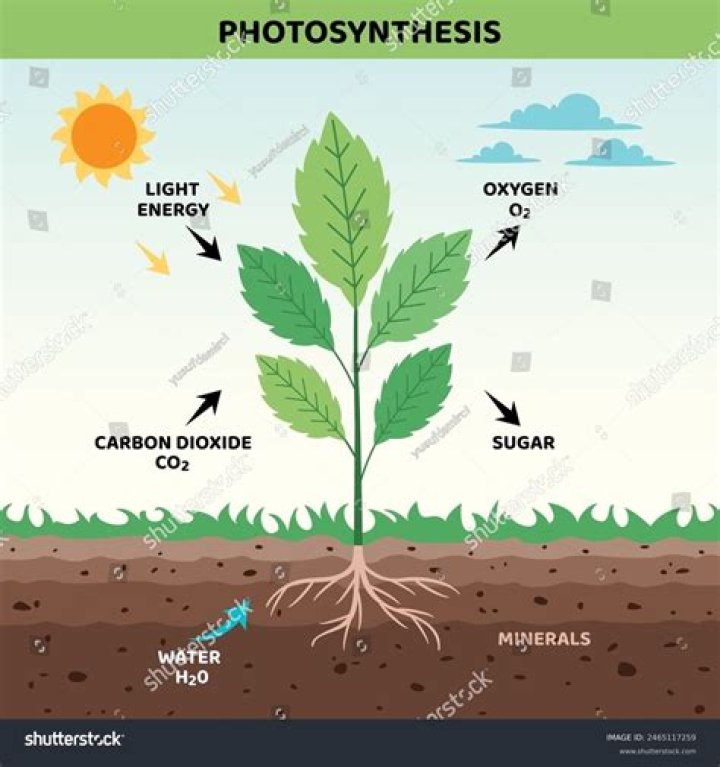
The purpose of the Calvin cycle is to produce organic sugar molecules as a source of energy for aerobic cellular respiration.
What is the function of the Calvin cycle?
The Calvin cycle is a process that plants and algae use to turn carbon dioxide from the air into sugar, the food autotrophs need to grow. Every living thing on Earth depends on the Calvin cycle. Plants depend on the Calvin cycle for energy and food.
What is the primary function of the Calvin cycle Quizizz?
The light reactions provide the Calvin cycle with oxygen for carbon fixation, and the Calvin cycle provides the light reactions with sugars to produce ATP.
What is the main function of the Calvin cycle in green plants quizlet?
C) The light reactions supply the Calvin cycle with CO₂ to produce sugars, and the Calvin cycle supplies the light reactions with sugars to produce ATP.
What is the main product of the Calvin cycle quizlet?
What are the main products of the Calvin cycle? The main products of the Calvin cycle are 6 PGAL molecules, which are turned into one glucose molecule and three RuBP molecules.
41 related questions foundWhat is the primary product of the Calvin cycle quizlet?
The product of the Calvin cycle is a triose-phosphate sugar that is either exported from the chloroplast or used to regenerate RUBP.
What is the reactant of the Calvin cycle?
The reactions of the Calvin cycle add carbon (from carbon dioxide in the atmosphere) to a simple five-carbon molecule called RuBP. These reactions use chemical energy from NADPH and ATP that were produced in the light reactions. The final product of the Calvin cycle is glucose.
What is the primary function of the light reactions in the photosynthesis?
The main function of light-dependent reactions of photosynthesis is to produce ATP molecules through oxidation-reduction reactions and chemiosmosis reactions in chloroplasts.
What is the primary function of the light-dependent reactions of photosynthesis?
The overall purpose of the light-dependent reactions is to convert light energy into chemical energy. This chemical energy will be used by the Calvin cycle to fuel the assembly of sugar molecules. The light-dependent reactions begin in a grouping of pigment molecules and proteins called a photosystem.
Where does the Calvin cycle occur quizlet?
Where does the Calvin Cycle occur? The Calvin Cycle occurs in the stroma, whereas the light reactions occur in the thylakoids.
What are the 3 steps in the Calvin cycle?
These reactions take the products (ATP and NADPH) of light-dependent reactions and perform further chemical processes on them. There are three phases to the light-independent reactions, collectively called the Calvin cycle: carbon fixation, reduction reactions, and ribulose 1,5-bisphosphate (RuBP) regeneration.
What are the 3 stages of Calvin cycle?
The Calvin cycle reactions ([Figure 2]) can be organized into three basic stages: fixation, reduction, and regeneration. In the stroma, in addition to CO2, two other chemicals are present to initiate the Calvin cycle: an enzyme abbreviated RuBisCO, and the molecule ribulose bisphosphate (RuBP).
Why are the light-dependent reactions important to the Calvin cycle?
Why are the light-dependent reactions important to the Calvin cycle? The light-dependent reactions provide the Calvin cycle with ATP and NADPH. The Calvin cycle uses the energy in ATP and NADPH to produce high-energy sugars.
What are the reactants of the Calvin cycle quizlet?
The reactants of the Calvin cycle are CO2 from the air and NADPH and ATP from the light reactions. Light reactions produce NADPH and ATP which is why the Calvin cycle is so dependent on the light reactions.
What are the 3 reactants of the Calvin cycle?
Calvin Cycle Steps
- Carbon Fixation. The first stage in the cycle involves incorporating carbon from carbon dioxide into an organic molecule. ...
- Reduction. The reduction stage or second stage of the Calvin cycle requires ATP and NADPH. ...
- Regeneration.
What does the Calvin cycle need help from in order to make sugars?
The first uses the sunlight to create energy inside the cell and the second takes carbon dioxide and uses it to make sugars. The second is the Calvin cycle although the name is a little unfashionable nowadays.
What does Calvin cycle require quizlet?
each turn of the Calvin cycle, there are chemical inputs and outputs. The inputs are carbon dioxide from the air and the ATP and NADPH produced by the light reactions. cycle uses carbon from the carbon dioxide, energy from the ATP, and high-energy electrons and hydrogen ions from the NADPH.
What happens to CO2 in the Calvin cycle quizlet?
What happens to carbon dioxide molecules in the Calvin cycle reactions? carbon dioxide molecules are bonded together with the electrons and H's from NADPH to form glucose.
How does the Calvin cycle function without light?
The Calvin cycle is a dark reaction because it does not need sunlight. Although it can happen during the day, this process does not require energy from the sun to work. Other names for the Calvin cycle include the Calvin-Benson cycle, light-independent reaction, carbon fixation and C3 pathway.
Why is the Calvin cycle dependent on the light dependent reaction quizlet?
the light-dependent reactions, and the light-independent reactions of the Calvin cycle. The light-dependent reactions transform the energy in sunlight to chemical energy in the form of electrons with high potential energy. These electrons are used to produce ATP and the electron carrier NADPH.
What are the stages of the Calvin cycle quizlet?
What are the three phases or steps of the Calvin Cycle? Fixation, reduction, and regeneration.
What is the overall purpose of photosynthesis?
The main purpose of photosynthesis is to convert radiant energy from the sun into chemical energy that can be used for food. Cellular respiration is the process that occurs in the mitochondria of organisms (animals and plants) to break down sugar in the presence of oxygen to release energy in the form of ATP.
How does the Calvin cycle build sugar molecules quizlet?
The Calvin cycle incorporates each CO2 molecule, one at a time, by attaching it to a five-carbon sugar named ribulose bisphosphate. The Calvin cycle incorporates each CO2 molecule, one at a time, by attaching it to a five-carbon sugar named ribulose bisphosphate.
What is the first reaction of the Calvin cycle?
Calvin cycle begins by the reaction of CO2 with highly reactive phosphorylated five carbon-sugar named ribulose bisphosphate(RuBP). This reaction is catalyzed by the enzyme ribulose bisphosphate carboxylase also known as Rubisco.
Where is the most energy used in the Calvin cycle?
Where is the most energy used in the Calvin cycle? Creating the higher-energy bonds in G3P requires the most energy in the Calvin cycle.