This is called the „absorption technique“. Keep your legs close together and ski in the troughs between two moguls. Start off by making downhill absorption turns on small moguls on easy slopes and then make them on bigger moguls on gradually steeper slopes.
Why do people ski with legs together?
Skiing with your feet closer together and standing tall will reduce fatigue, and increase control. Remember to bring your feet together at the end of the turn for smoother turns.
Should you keep knees together when skiing?
If the skis are too close together, the knees are not able to move as much, decreasing the amount of edge control that is available. Being able to put the skis on their edges more, is important for speed control, and vital for carving, a more advanced form of parallel skiing.
How far apart should your legs be when skiing?
One common mistake is that the joints are held too stiffly. In this case, they cannot cushion bumps and skiers lose their balance. When the joints are bent and flexible, they can quickly react to irregularities on the slopes. The legs should always be hip-width apart and the skis parallel to each other.
Should you lean forward when skiing?
A Small Skiing Myth
A small myth with skiing is that you have to lean forwards as much as you can, this is not true as just explained. You only need to lean forwards enough to put your centre of gravity over the middle of the ski.
20 related questions foundHow do you keep skis together when skiing?
This is called the „absorption technique“. Keep your legs close together and ski in the troughs between two moguls. Start off by making downhill absorption turns on small moguls on easy slopes and then make them on bigger moguls on gradually steeper slopes.
How do you turn on a ski?
Basic Turning Technique
Hold that position as you are moving down, and your skis will gently round out a turn to the left. To turn to the right, gently drop the left shoulder toward the tip of the left ski, increasing the pressure on the left ski and your skis will turn to the right.
How do you stand when skiing?
A good stance must:
Be able to absorb bumps through the legs and allow the body to flex. This means that the knees must be bent, as well as all other joints. There should be no joints that are straight as they must all be able to move in both directions. Have the skis in the correct position.
Why do my skis keep crossing?
Often skis crossing are the the result of the tips being in the air, which is nearly always down to having a back seat stance or standing too tall. Try pivoting forward a touch and relax a bit (as I always say to the kids take a goal keeper stance) next time your out and see if that helps at all.
Why do my skis wobble?
Most intermediate skiers experience "wobble" as you describe it when the skis are too flat on the surface. If you can carve on a piste and transfer from edge to edge with little effort then skis will ride the edge to help you.
How do you slow down when skiing?
The best way to slow down is to carve or “snow plow” long turns across the hill. That is, point your skis perpendicular to the base of the hill. (To slow yourself down even more, point the ski tips together in a snow plow or pizza-like stance.)
How long does it take to get good at skiing?
Advanced level. On average, it takes around 10 weeks before you're confident on all types of runs, even the steepest blacks. But some people might get to this point quicker. Your parallel skiing should be flawless by now, with your skis side by side the whole way to make a smooth, linked turns.
How tight should ski boots be?
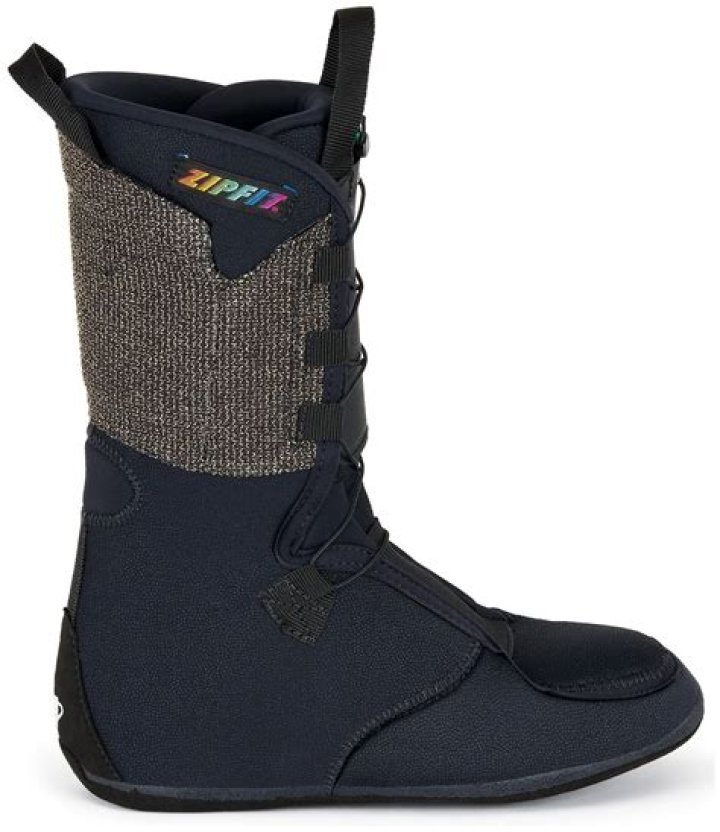
Ski boots should be snug, but not too tight that they are painful. With your foot in the liner in the shell, there should be enough room around the toes that you can wiggle them back and forth, and the toes should be slightly touching the front of the boot when the heel is all the way back.
What do I wear skiing first time?
There's no need for expensive, fancy ski clothes your first time skiing. As long as you have a turtleneck, a sweater or a fleece jacket, and some kind of insulating pants (no denim, though) to wear under a winter jacket and waterproof snow pants, you should be warm enough. A pair of winter gloves is a good idea, too.
Is skiing hard?
With proper instruction, learning to ski is not difficult. You can start enjoying the mountain atmosphere, and the whole experience of skiing, just after your first day on the slopes.
Can you learn to ski at 40?
While it's no secret that learning new skills can get harder with age as we lose some of our adventurous spirit, not all is lost. Learning to ski at 40 is perfectly possible. All it takes is hard work, determination and a whole lot of courage.
Why do thighs burn when skiing?
A tall stance (think long legs) produces less fatigue because your skeleton is holding up your body weight. If you have too much bend in your knees, without ankle flex, then you will use your quadriceps (the large muscle in front of the thigh) to support your weight. And that spells thigh burn.
Should you ski on the balls of your feet?
The fronts of yours skis, when properly weighted, is where the control comes from. Make a concerted effort to maintain your weight on the balls of your feet. Don't ski flat-footed, and definitely don't ski on your heels. The moment you stand on the balls of your feet, your weight will shift forward.
Where do you put your weight when skiing?
Generally your weight should always be put on the outside ski in a turn, or the downhill ski as you go across the slope.
How do I look pro while skiing?
How to Look Like a Pro Skier Even When You're a Complete Beginner
- But Can You Promise Me One Thing Before You Go? ...
- Get The Jacket Right. ...
- … ...
- Do Up Your Boots. ...
- Carry Your Skis Correctly. ...
- Hold Your Poles Properly. ...
- Avoid The Punter Gap. ...
- Don't Bother With Snowblades or Gimmicky Equipment.
How do you ski bumpy terrain?
10 Tips on How to Ski in Choppy Conditions
- Keep moving and fighting for your rhythm. ...
- Unless the slope is very steep, avoid making sharp V-shaped turns. ...
- Look ahead & aim for your next turn. ...
- Use wide skis if the snow is choppy and fresh. ...
- If you are really stuck, then you can opt for 'mountaineers turns'
Is skiing an extreme sport?
extreme sports, also known as action sports or alternative sports, sporting events or pursuits characterized by high speeds and high risk. The sports most commonly placed in this group are skateboarding, snowboarding, freestyle skiing, in-line roller-skating, street lugeing, and BMX and mountain biking.