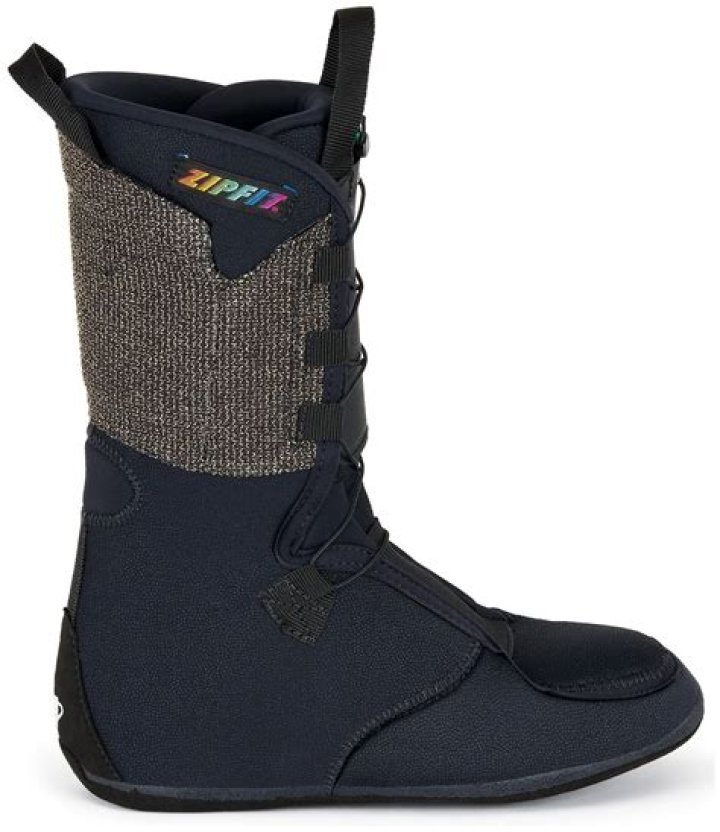
A 2 finger fit is a relaxed fit. You will not feel as responsive in the boot, but will have more all-day comfort. Too tight of a boot and you'll have severe pain from pinched nerves and cold toes, too loose of a boot and you'll have blisters from rubbing and a lack of performance.
How do you break in touring boots?
BREAKING IN
Once you've fit your touring boot as best you can, it's time to break it in. Allow ample time to troubleshoot on short tours before you head out for a big day. Try different socks, different pitches and different style skin tracks. It might take a couple trips back to the shop to pinpoint repeat hot spots.
Are touring boots more comfortable?
Unlike many downhill ski boots, backcountry ski boots have two modes: one for touring and one for downhill. They have a tour/walk mode that allows a wider range of motion and a more comfortable forward stride than traditional downhill ski boots.
How do you know if boots are too small?
If your toes feel jammed with a finger behind your ankle, they're most likely too tight. Another way to test it is to put your boots on, stand up straight, and then wiggle your toes. If you can't wiggle your toes, the boot is too tight. We also recommend walking around in them for a minute or two.
How tight should touring ski boots be?
We are looking for 1-2 fingers of space in between your heel and the shell. Those that prefer a more alpine style fit will want closer to 1 finger of space. This tightness provides a boost in responsiveness on the downhill, but will also limit circulation and cause colder feet. A 2 finger fit is a relaxed fit.
42 related questions foundIs ski touring hard?
Certainly, ski touring can be hard work, with a lot of effort needed on the uphill sections. However, the effort is well worth it: the thrill of making first tracks on a long descent, well away from the rest of the ski world with the wild splendour of the winter mountains all around.
How tight should boots fit at first?
It should not pinch across the ball of the foot or the toes, but should be comfortably snug in the instep area of your foot. Just like a good handshake. A new boot may slip some when new, but if it is snug in the instep, that slip will come out, after it is flexed from wearing.
Should you be able to wiggle your toes in boots?
You should be able to wiggle your toes inside the toe box (the front of the shoe). To see if you have enough room, slide your foot forward so your toes are just touching the end of the unlaced boot. In this position, you should have a finger's width (about ½") between the base of your heel and the boot.
What happens if your boots are too small?
The Health Consequences of the Wrong Boot Size
“One of the things about wearing any shoe that's too small is that it can compress the front of the foot and you can wind up with structural problems like bunions and hammer toes,” says Dr.
Do I need touring boots?
You do need specialized boots for ski touring typically. There are touring bindings which allow you to use alpine ski boots. However, there are numerous disadvantages that alpine boots have compared to touring boots. These disadvantages range from “discomfort” to disqualifying them for use in many situations.
Can you use touring boots for downhill?
Unlike regular ski boots, alpine touring (AT) boots are designed for both downhill skiing and uphill travel.
Can you resort ski in touring boots?
Alpine touring boots are designed specifically for backcountry skiing. AT boots offer the lightest and most efficient way to travel in the back country but are not designed for resort skiing. AT boots are packed with technology such as a walk mode allowing for a more efficient uphill skiing.
Why do ski boots have to be so tight?
Ski boots should be as tight fitting as possible. You need minimal foot movement inside the boot. If your boot moves with your foot, your ski will move with your boot and in turn your foot. Allowing you to exert maximum control over your skis.
Why do my toes go numb in my ski boots?
A common cause of boot compression is when the boot is actually too big and people do up the instep buckle too hard to secure the foot. All this does is to apply pressure to the top of the foot where the nerves and blood vessels run, causing numbness and a lack of circulation.
Why do my boots make my toes numb?
Many boots provide a lot of padding around the heel and ankles to secure the foot, but too much can compress this nerve. Bear in mind too that compression can occur at any point along the nerve's path, so in certain cases it's necessary to look further up the leg.
How do you know if boots fit right?
Your heel should not come up out of the boot or rub against the back. Your toes should have about an inch of room in front of them at all times. The sides of your feet should not feel painful pressure. Your toes should not slide forward or hit the end of the boot.
How much should you be able to wiggle your toes?
You should be able to wiggle your toes comfortably in the toe box and if you aren't sure how much room is enough, use the “rule of thumb” when purchasing new shoes.
Do boots stretch out?
Yes, leather boots, with use, naturally stretch over time. The weight and stress you apply to the boots as you wear them will eventually cause the boots to shape to your feet.
Are slip on boots supposed to be loose?
The fit should be snug, not tight or loose. The snugness is governed by the instep fit and the width of the throat. If the instep is too loose, the boot will slip excessively in the heel. To remedy this, you may need a more narrow width to shorten the circumference of the throat.
Is it better for boots to be bigger or smaller?
If the toes and toe ball part of your feet is wide, the perfect sized boot would make your area of the toe ball part feel pressed from the sides. Therefore, in this case, you should go for half size bigger boots.
How long do boots take to break in?
New boots can take around 80 to 100 hours to break in. That being said, don't subject yourself to wearing your boots for 4 days straight and expect your feet to be happy with you. Instead, space this time out to about 2 to 3 hours a day and keep a second pair of boots to change into.
Can you downhill ski with touring skis?
Absolutely! In the last few years a lot has happened and our touring skis work very well on the slopes. Although you should adjust your speed in icy conditions, our touring skis basically react similar to alpine skis. This means that you don't have to adapt off-piste and you can simply keep your usual riding technique.
How do I get better at ski touring?
Dav's Touring Tips:
- Don't lift your skis off the snow as you move forward. Leave that weight on the ground. ...
- Use your hips. ...
- Remember to breath. ...
- Don't use your arms. ...
- Keep your upper body upright. ...
- See the line. ...
- Keep the skin track on a mellow grade. ...
- Don't draft.
How does ski touring work?
Ski touring is skiing in the backcountry on unmarked or unpatrolled areas. Touring is typically done off-piste and outside of ski resorts, and may extend over a period of more than one day. It is similar to backcountry skiing but excludes the use of a ski lift or transport.