Fungi are used in many industrial processes, such as the production of enzymes, vitamins, polysaccharides, polyhydric alcohols, pigments, lipids, and glycolipids. Some of these products are produced commercially while others are potentially valuable in biotechnology.
What is the role of fungi in biotechnology?
Fungi have been important in both ancient and modern biotechnological processes. Processes and products that utilize fungi include baking, brewing, and the production of antibiotics, alcohols, enzymes, organic acids, and numerous pharmaceuticals.
Which fungi is used in biological research?
So the correct answer is 'Neurospora'.
How are fungi important in pharmaceutical uses?
Increasing studies indicate that fungi can transform many structures of pharmaceutical compounds, including anti-inflammatories, β-blockers, and antibiotics. This is possible due to different mechanisms in combination with the extracellular and intracellular enzymes, which have broad of biotechnological applications.
How is fungi used in genetic engineering?
Genetic Engineering of Filamentous Fungi for Efficient Protein Expression and Secretion. Filamentous fungi are considered as unique cell factories for protein production due to the high efficiency of protein secretion and superior capability of post-translational modifications.
28 related questions foundHow fungi help industrial biochemistry?
Fungi have been used as tool for producing different types of secondary metabolites by providing different nutrients at different laboratory conditions. The fungi have been engineered for the desired secondary metabolites by using different laboratory techniques, for example, homologous and heterologous expressions.
Which fungi is used in genetics?
Yeasts and filamentous fungi are extensively used as model organisms for eukaryotic genetic research, including cell cycle regulation, chromatin structure, genetic recombination and gene regulation.
What are the 5 uses of fungi?
The uses of Fungi are:
- Fungi are an important source of food. ...
- Yeast,a unicellular fungus,is important in bakeries as it is used in the making of bread.
- Yeast also produces vitamin B.
- Fungi,like bacteria,are also good decomposers. ...
- Penicillin an important antibiotic is obtained from a fungus called Pencillium notatum.
What are important economic uses for fungi?
Fungi are an important organism in human life. They play an important role in medicine by yielding antibiotics, in agriculture by maintaining soil fertility, are consumed as food, and forms the basis of many industries.
What are the 10 uses of fungi?
Fungi are useful for many other reasons.
- They are a major source of citric acid (vitamin C).
- They produce antibiotics such as penicillin, which has saved countless lives.
- They can be genetically engineered to produce insulin and other human hormones.
- They are model research organisms.
Which fungi used for the study of genetics and biochemical studies?
Neurospora crassa is a heterothallic filamentous fungus that has been used extensively in genetic and biochemical research.
What are two other common fungal organisms used for research?
Yeast and filamentous fungi are important model organisms in microbody research.
What are the opportunities offered by fungal biotechnology?
Fungal biotechnology can advance the transition from our petroleum-based economy into a bio-based circular economy and has the ability to sustainably produce resilient sources of food, feed, chemicals, fuels, textiles, and materials for construction, automotive and transportation industries, for furniture and beyond.
What are the industrial uses of fungi?
Fungi are used in many industrial fermentative processes, such as the production of vitamins, pigments, lipids, glycolipids, polysaccharides and polyhydric alcohols. They possess antimicrobial activities and are used in biomineralization, as a food for its high protein contents and as a biofertilizers.
What is the role of fungi in agriculture?
The fungi ability to produce a wide variety of extracellular enzymes, they are able to break down all kinds of organic matter, decomposing soil components and thereby regulating the balance of carbon and nutrients for maintain soil health.
What are the benefits of fungi for humans?
Benefits of fungi
- Nutrient Cycling. Fungi have the ability to transform nutrients in a way that makes them available for plants. ...
- Carbon Cycling and Climate regulation. Fungi are important contributors to the soil carbon stock. ...
- Nutrition and food security. ...
- Human Health. ...
- Environmental protection. ...
- Sustainable materials.
Why are fungi considered as heterotrophic organisms?
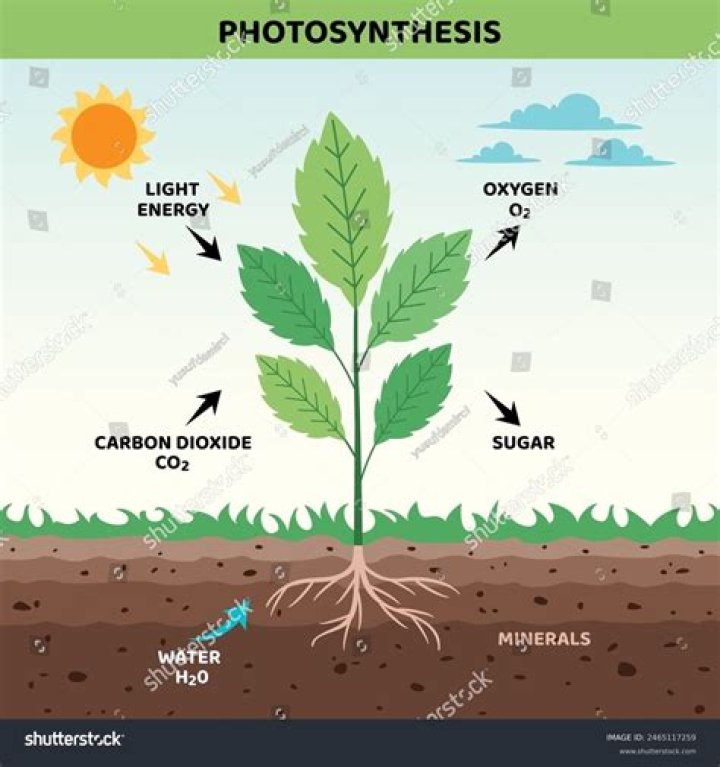
Fungi do not contain chlorophyll or carry out photosynthesis. As fungi feed on dead and decayed organisms they are heterotrophs.
Where are fungi used?
Since the 1940s, fungi have been used for the production of antibiotics, and, more recently, various enzymes produced by fungi are used industrially and in detergents. Fungi are also used as biological pesticides to control weeds, plant diseases and insect pests.
Which fungal organism is often used in experimental genetics?
Neurospora is easy to culture and it grows rapidly so it is used in experimental genetics. It can survive on minimum media and has a haploid life cycle that is easy to study genetics.
Can you genetically modify fungus?
Scientists Genetically Modify Fungus To Kill Mosquitoes That Spread Malaria. An Anopheles coluzzi mosquito, which can transmit malaria, with a genetically modified fungus emerging from the body after the insect's death. A green fluorescent protein was included to mark the fungus, shown under a UV light.
How does fungi adapt to its environment?
Fungi have adapted over the years in response to their environment. One way in which they have adapted is by increasing their surface area of their gills. This is beneficial to the organism because it is able to reproduce more spores which can lead to more of them being dispersed.
How is bacteria used in biotechnology?
We use bacteria as protein factories
Bacteria can translate foreign genes into proteins – and scientists have ways to ensure that the bacteria make the proteins in large amounts. For these reasons, bacteria can function as 'protein factories', producing medically important proteins and others.
How fungi are used in food industries?
Enzymes. Filamentous fungi are primary sources of enzymes used in food processing to increase the efficiency and ease of food processing steps, and to enhance the quality of the final product [9]. Enzyme processing influences the flavor, aroma, appearance, texture, color, stability, and nutrition of food materials.
Do fungi have mycelium?
mycelium, plural mycelia, the mass of branched, tubular filaments (hyphae) of fungi. The mycelium makes up the thallus, or undifferentiated body, of a typical fungus.
Are fungi heterotrophic or autotrophic?
All fungi are heterotrophic, which means that they get the energy they need to live from other organisms. Like animals, fungi extract the energy stored in the bonds of organic compounds such as sugar and protein from living or dead organisms. Many of these compounds can also be recycled for further use.