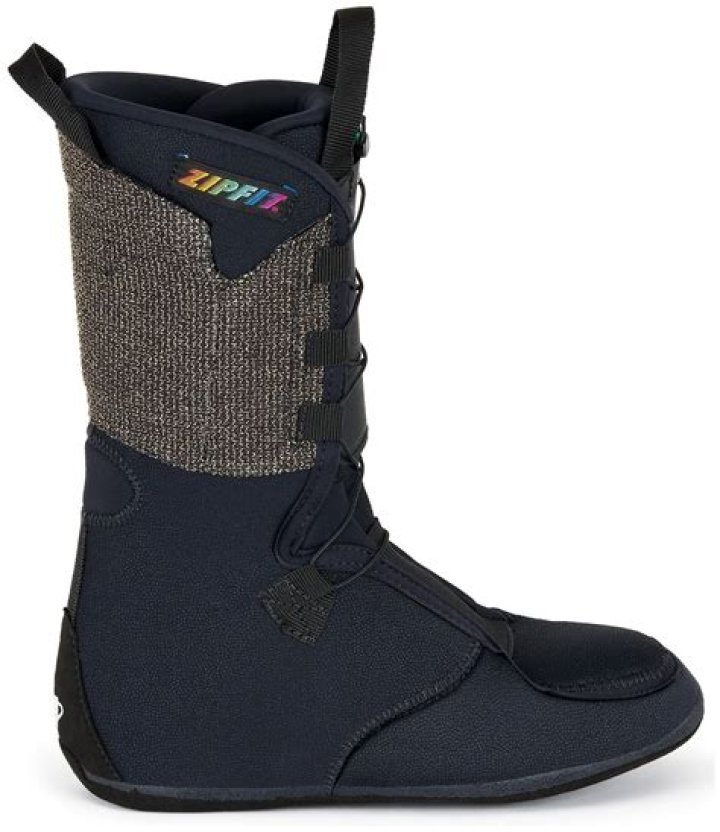
Experienced skiers arrange for foot beds and boot alignment. Professional boot fitters correct your actual ski stance to a neutral position, called canting. The stance of some skiers may need to be moved forward, some more upright. A boot fitter will also mold the boot's inner lining to your foot's unique shape.
Is it normal for feet to hurt in ski boots?
Toes can hurt in ski boots when pressure on the toes is caused by one of two possible issues – either the boot being too small or, counter-intuitively, the boot being too big. Ideally when the boot fits you right your toes should comfortably contact the front of the boot.
How do I stop my feet from cramping in ski boots?
Stretch out your soft tissues in your feet
If these soft tissues are too tight, they will almost certainly cramp in a ski boot. You can help relieve some of that tension using a pediroller or small spiky ball to roll out the soft tissue under the arch to try and lengthen those muscles.
Why do my feet burn in my ski boots?
The most common cause of this burning is from pressure being put on the nerves in your foot from not having enough width in the front of your ski boot. So it is vital to do a shell check to make sure that you have an adequate space for your foot within this shell.
How can I make my ski boots more comfortable?
Upgrade the Footbed
A more comfortable footbed, not only makes your feet sit better within the boot, but will reduce fatigue – so you can spend more time skiing. The Superfeet insoles on Amazon (check price) have a high arch for maximum support and will help to relieve pressure.
38 related questions foundHow uncomfortable should ski boots be?
There should be zero pain, throbbing, or pinching. Do one or two warm-up runs and then tighten them slightly. You shouldn't need to constantly adjust all day, but sometimes a bit of tightening later in the day will help if the boot is getting really worked in.
How do I strengthen my feet for skiing?
This simple exercise can save your feet next season.
- The drill: Lie on your back with your feet flat on the floor. Lift both arches, and pull your toes toward your butt, keeping your heels on the ground. Slide your heels toward your butt and flatten your arches for one rep. Do six reps. ...
- Also works: Core stability.
How tight should ski boots be?
Ski boots should be snug, but not too tight that they are painful. With your foot in the liner in the shell, there should be enough room around the toes that you can wiggle them back and forth, and the toes should be slightly touching the front of the boot when the heel is all the way back.
How long do ski boots take to break in?
How long does it take to break ski boots in? It normally takes 3-4 days to get the liner of a ski boot to pack down a little and bed in to your feet.
How do you cure skiing toes?
What is the treatment? Skier's Toe is treated by making a hole in the toenail to drain any remaining blood out from under the nail and thereby reduce pressure. This is accomplished by the physician drilling a hole in the nail with a needle or by using a heated sterile paperclip or sharp instrument.
How do you break in ski boots fast?
Buckle them up snugly as you would to go skiing and spend at least an hour this way. Flex them back and fourth and side to side, but be careful not to put too much wear on the boot soles (i.e. don't walk down the driveway to get the mail).
How can I strengthen my feet?
Simple workouts to stretch and strengthen your feet
- Stand with feet together.
- Step back with your left leg so your heel is raised and your toes press against the ground. You should feel the muscles on the bottom of your feet pull gently.
- Hold for 20 to 30 seconds.
- Repeat with your right foot.
What happens if ski boot too stiff?
A boot that is too stiff will result in the skier leaning back. But there is a catch; often the softest boots are very poorly designed and are very wide. Find a soft flexing boot that is not too wide, and not made out of poor quality plastic.
What is ski boot syndrome?
Abstract. The extensor tendons and peroneal nerve can be compressed at the ankle by the tongue of the ski boot. The resulting neuritis and synovitis may be severe enough to mimick an anterior compartment syndrome. Treatment consists of conservative methods but the paresthesiae may remain for long periods of time.
Should ski boots cut off circulation?
A properly-fitting ski boot should feel snug but not pinch. Pinching at the ankle, top of the foot or toes can indicate a too-tight fit. A boot that is too large allows cold air to circulate around your feet and can also cause you to tighten your toes while skiing, reducing the circulation in your feet.
Why do my feet go numb when I ski?
A common cause of boot compression is when the boot is actually too big and people do up the instep buckle too hard to secure the foot. All this does is to apply pressure to the top of the foot where the nerves and blood vessels run, causing numbness and a lack of circulation.
How do I know if ski boots are too tight?
Your toes should touch the front of the liner, but only just touch it – like a feather dusting your nose. If it's got any pressure pushing back against the toe, then the fit is too tight.
Where should your toe be in a boot?
You should be able to wiggle your toes inside the toe box (the front of the shoe). To see if you have enough room, slide your foot forward so your toes are just touching the end of the unlaced boot. In this position, you should have a finger's width (about ½") between the base of your heel and the boot.
Why do my feet hurt so much when I ski?
If your feet ache or are cramping after skiing, it's usually due to the overexertion of the muscles on the bottom of your foot - they're working too hard to maintain control of your skis. This is also a problem with the fit of your boots.
How do you stretch your feet before skiing?
Dynamic / Static Stretches
- Sit tall, with both legs in a bent, 90-degree "pinwheel" position.
- Without hunching your back, keep the inside leg bent while rotating it toward the ceiling, then back down to the ground, warming up the hip socket.
- Both feet should stay flexed throughout. That's one rep.
Is skiing hard on your knees?
Skiing obviously puts pressure on your knees. The classic legs-bent position channels weight through your Gluteus Maximus, your hamstrings, your quadriceps – and inevitably also your knee joint.
Why do my boots hurt my feet?
Work Boots Must Fit Properly
If your boots are too narrow, they will pinch. You will constantly feel “the rub” of pinky toes and big toes on the side so the boots. Boots that are too short will also cramp your toes. Both narrow and short boots result in “hammer toes”.
How do I increase circulation in my ski boots?
Wear the right socks
Good ski socks are made of materials such as merino wool which breathe well and wick moisture away from the foot. If the sock is too thick it takes up too much volume in the boot cutting off circulation and eliminating air space, which then has the opposite effect.
What is ski boot flex?
Quite simply, the flex value of a ski boot refers to its stiffness. The flex refers to the level of resistance the boot provides when you bend your ankle forward. In general, the flex index varies between 60 and 140. The lower the number, the more flexible the boot – and the higher, the stiffer.
How do you stiffen ski boots?
Stiffening boots is a semi-permanent procedure as it involves drilling holes through the boot where the cuff & shell overlap and locking the cuff/shell shut with screws & t-nuts. SPKs already have the sides done, so you would be adding screws to the middle of the rear spine.