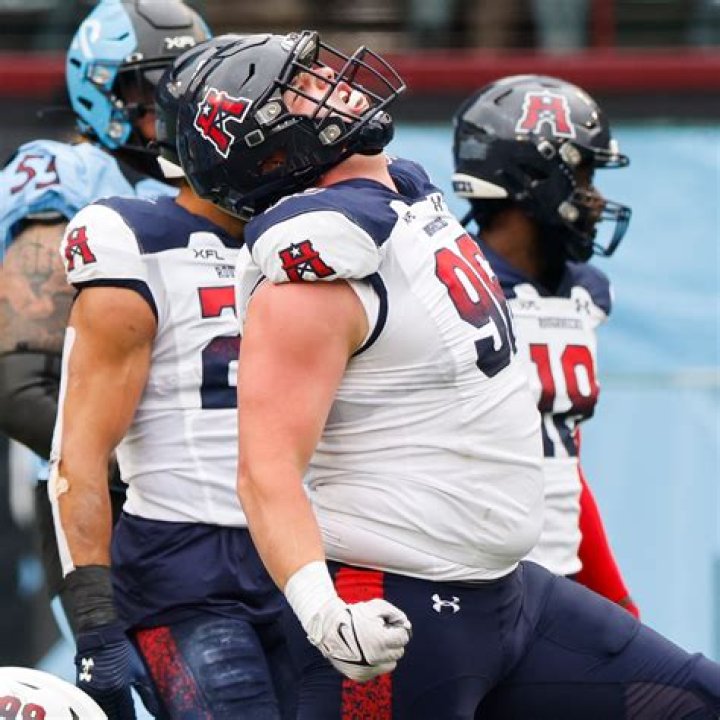
They found that academically, athletes do three-tenths of a grade point worse than regular students in three out of 10 classes. They also discovered athletes in revenue sports are lagging behind their peers.
What is the negative effect of sports?
Sports can produce an unhealthy level of stress in a child, particularly a child who is pushed to excel and who feels a failure with every loss. Sports can produce irrational, boorish behavior among parents and athletes. Sports can produce many athletes who are negative role models.
Do grades improve or suffer when you play sports?
In fact, many research studies strongly suggest that playing sports positively enhances academic progress.
Do sports have a negative impact on studies give reason for your answer?
Answer: Because of the time needed to focus on a sport some students start to fall behind in their academics. ... Playing a sport does not have a complete negative affect, according to Laura Altobelli from livestrong.com “a commitment to school sports does not have to translate into compromised academic performance.
What are the negative effects of team sports?
Negative effects of team sports
Often times, these athletes start very young and have infrequent breaks or rest. This kind of concentration leads to an increased risk of sport-related injuries, isolation from their peers, attrition, burnout, and psychological problems (Merkel 2013).
19 related questions foundWhy sports are bad for students?
Excessive stress on muscles, bones, tendons and ligaments makes an injury more likely. "We see a lot of shoulder and elbow injuries in young athletes involved in baseball, tennis and overhead sports," Dr. Fabricant notes. "Kids involved in field and impact sports often come in with stress fractures and knee problems."
Why Are sports Bad for youth?
[18] discussed negative effects of early sport specialization including higher rates of injury, increased psychological stress, and dropout at a young age. The following sections provide a review of studies on the negative physical and psychological effects of organized sport practice on youth.
Do sports hurt academic performance?
While some believe that participating in a sport may hurt academic performance because it consumes a significant amount of time in the day, sparing only a few hours to study, the exercise that comes with being an athlete has been found to increase brain functionality, positively affecting academic performance.
Does sport participation negatively impact higher education?
Cognitive Function
Children and adolescents who pursue sports activities have been shown to exhibit more active brain function, better concentration levels and classroom behavior and higher self-esteem than their less-active counterparts. Understandably, all of these factors seem to support better academic performance.
How does sports affect academic performance?
Studies have shown that exercise increases blood flow to the brain and helps the body build more connections between nerves, leading to increased concentration, enhanced memory, stimulated creativity, and better-developed problem solving skills. In short, playing sports helps your brain grow and makes it work better.
Does exercising improve grades?
There is substantial evidence that physical activity can help improve academic achievement, including grades and standardized test scores.
Do students get lower grades if they are involved in college sports?
College athletes, especially basketball and football players, spend more time on their sports in season than they do on their classes and get lower grades than students involved in other time-consuming extracurricular activities, a year-long study by the National Collegiate Athletic Assn.
What are the positive and negative effects of sports?
Positive effects from sports are achieved primarily through physical activity, but secondary effects bring health benefits such as psychosocial and personal development and less alcohol consumption. Negative effects, such as the risk of failure, injuries, eating disorders, and burnout, are also apparent.
Are sports toxic?
It is no surprise that sports culture can be incredibly toxic. The pressure of competition, the constant need to win, and the feeling that one's self-worth is defined by their success on a playing field all contribute to an environment where mental health disorders are rampant.
Are sports good or bad?
In addition to the physical activity, playing sports provides kids with opportunities to socialize with peers, build teamwork and leadership skills, improve self-esteem and hopefully have a lot of fun.
Should student athletes have good grades to play sports?
Students should have good grades to play sports. Even if you are a great athlete, you will probability not get a full-athletic scholarship. Having good grades can lessen your stress about affording college. Since colleges and coaches would rather have students with good grades, always keep it handy.
Do sports help students academically?
Results indicate that school sports participation was significantly associated with academic achievement, positive body-image perceptions, and self-esteem. Overall, participation in school sports demonstrated a significant standardized effect (. 225) on academic achievement.
Why do student athletes get better grades?
Studies have shown students who participate in activities or athletics have better grades than those who don't But how much of that is because of their extra-diligent work in the classroom and how much is because they receive special attention compared to non-athletes is an age-old question in high school — and college ...
How does sports affect learning?
Exercise also leads to short-term relaxation, which improves kids' moods as well as promoting increased concentration, better memory, enhanced creativity, and more effective problem-solving. In this way, sports boost learning effectiveness and help kids succeed on and off the field.
Why sports are better than academics?
Studies show that playing a sport has so many positive effects on the mind and body. Participants in sports have higher self-esteem, are in better shape and have a decreased risk of diseases and becoming addicted to toxic substances. Most importantly, they actually do better in school and loosen up from stress.
Is it better to be good at academics or sports?
Students who played sports exhibited either improved academic scores, or they maintained their current level of academic grading. Overall, studies show that students who play sports do not allow their commitment to their team to affect their commitment to their education.
Why are high school sports bad?
As teens engage in competitive events and team sports, their exposure to peer-pressure and anxiety may increase with the need to win. Furthermore, athletes can experience extreme physical pressures when too much is demanded from them, resulting in injuries from overuse or other physical ailments.
Are youth sports harming?
Young athletes training year round in a single sport are at greater risk of being injured compared to athletes playing multiple sports. Eventually, anxiety and depression can interfere with training and performance and alter an athlete's physiology.
What are the disadvantages of not playing sports?
By not playing games, you are missing out on developing critical thinking skills, learning about strategy, developing your brain, and interacting with others. Games, especially tabletop games, have such a strong social element to them. You can learn so much about a person in an hour playing a game with them.
Do student-athletes get worse grades?
They found that academically, athletes do three-tenths of a grade point worse than regular students in three out of 10 classes. They also discovered athletes in revenue sports are lagging behind their peers.