Most dedicated touring boots meet the ISO 9523 standard. Within the ISO 9523 group, both GripWalk and WTR soles meet the ISO 9523 standard, so they'll work in any binding designated for ISO 9523 boots as well as bindings that specifically call out their sole type in the model name.
Can any ski boot fit any binding?
Typically, most bindings are universal as long as the type of skiing you plan on doing matches both the boots and the bindings. For example, if you have boots designed for alpine downhill skiing, most bindings designed for alpine downhill skiing will be compatible.
Are all bindings compatible with all skis?
Conclusion. No matter which type of skier you are, there is a ski and binding combination for you. Make sure that you match alpine skis with alpine bindings, touring or other downhill skis with AT setups, and telemark skis with telemark bindings.
Do ski bindings fit all size boots?
You must be sure that the boots fit with your ski bindings.
Further, any good ski boots should have a perfect combination of warmth, comfort and performance. The ski boot bindings should also be of the best quality and more importantly it should be compatible with the ski boots that you are using.
Do ski boots run big or small?
Ski boots usually run true to size. We don't wear the same size ski boot as we do tennis shoes because a ski boot needs to be well-fitted to ensure proper performance. That means your ski boot could be half a size to a full size smaller than your regular shoe.
39 related questions foundHow do I know what size ski bindings to get?
Your skis' waist width will determine the ski brake width (the distance between the two brake arms). For example, if your skis are 80mm wide at the waist, you will need bindings with a brake width of at least 80 mm and preferably no wider than 95 mm.
How do I know if my bindings will fit my boots?
The lower the DIN number, the less force will be required to pop your boot out of the binding. The higher the DIN number, the harder it will be to release your boot. There is a DIN setting in the toe portion of the binding, as well as in the heel component. This number should only be set by certified technicians.
Can you use touring boots for downhill?
The main difference in backcountry touring boots is that they are designed for both uphill and downhill travel.
What are touring skis used for?
Known by terms such as Ski Touring, Alpine Touring, Ski Mountaineering, or Radonnée, these all involve the ability to climb uphill or traverse on skis or a split snowboard, then transition to downhill mode and ski or snowboard back down, even for multiple laps.
Do bindings fit all boards?
Bindings often come with multiple base plates, making them compatible with most snowboards. Most boards feature bolt mounting patterns that are 2x4 or 4x4. Some Burton boards have a diamond-shaped, "3D" bolt pattern found only on its boards.
Are all ski boots the same?
Simply put, the size of your boot corresponds to the length of your foot in centimeters! That's it! Please note that as with all shoe manufacturers, sizes can vary from one brand to another, so it is always best to try. The width of your foot will also be a determining factor in choosing your ski boots.
Do I need special boots for alpine touring bindings?
They require tech-specific boots or boots with inserts that feature molded toes and heels with slots in order to lock into the binding. Frame bindings are like traditional downhill ski bindings, but they have a rail that lifts away from your skis when in touring mode.
How ski bindings work touring?
The tour mode works by simply rotating the heel so the pins are no longer facing the boot, meaning the heel wont be held by the binding and you are free to walk. To change the heel from ski to tour you first push down the brake, then turn the heel 90degrees clockwise.
How do ski touring boots work?
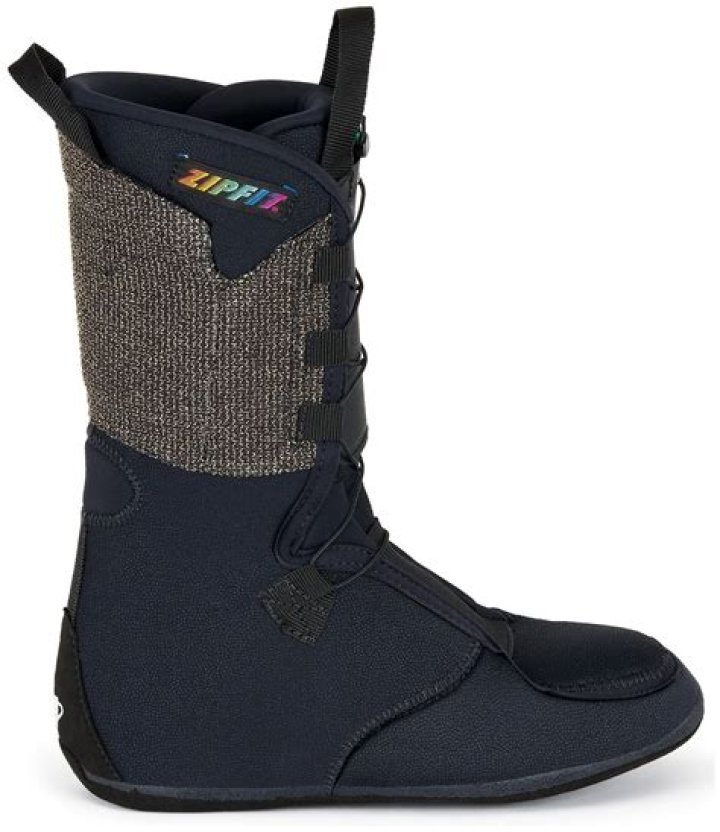
Touring boots are all about saving weight and are made of lightweight plastics, buckles and liners. The lighter the boots the more you compromise the performance. They have a 'walk mode' in the spine of the boot which allows the cuff to be released for walking, giving a large range of motion.
Do you need touring boots for ski touring?
When in "touring mode", which is the mode you switch them to when you want to walk uphill, the heel of the binding lifts up off the ski with your boot, while the toe stays attached by a hinge. Because they're basically just a normal binding, you don't need special boots to use them.
Are touring boots more comfortable?
Unlike many downhill ski boots, backcountry ski boots have two modes: one for touring and one for downhill. They have a tour/walk mode that allows a wider range of motion and a more comfortable forward stride than traditional downhill ski boots.
Can you downhill ski with touring skis?
Absolutely! In the last few years a lot has happened and our touring skis work very well on the slopes. Although you should adjust your speed in icy conditions, our touring skis basically react similar to alpine skis. This means that you don't have to adapt off-piste and you can simply keep your usual riding technique.
Can you use adult ski boots with junior bindings?
Most junior bindings can accept adult boots but almost all adult bindings WILL NOT accept junior boots.
Can you adjust ski bindings for different size boots?
However, if you're finding it difficult to slide the boot into place, you'll going to need to adjust your bindings either wider or smaller to fit your boots. For this, use a screwdriver to adjust the toe piece by simply turning the screwdriver anticlockwise to loosen it, or clockwise to tighten it.
What boots are compatible with shift bindings?
The Shift is compatible with all “normed” boots — essentially any boot with full-sized toe and heel lugs. Boots with short lugs and Dynafit's “sharknose” boots are not compatible, but any “WTR” (walk to ride), or Grip Walk boots are.
What size touring binding do I need?
Your skis' waist width will determine the ski brake width (the distance between the two brake arms). For example, if your skis are 80mm wide at the waist, you will need bindings with a brake width of at least 80 mm and preferably no wider than 95 mm.
What does DIN mean in ski bindings?
It's an acronym, one that stands for Deutsches Institut für Normung, or, the German Institute for Standardization. This is an industry wide scale of release force for ski bindings.
Are ski bindings sold in pairs?
bindings come in pairs. this is the universe's way of telling you that how they ride is much more important than how they look. How they ride is much more important.