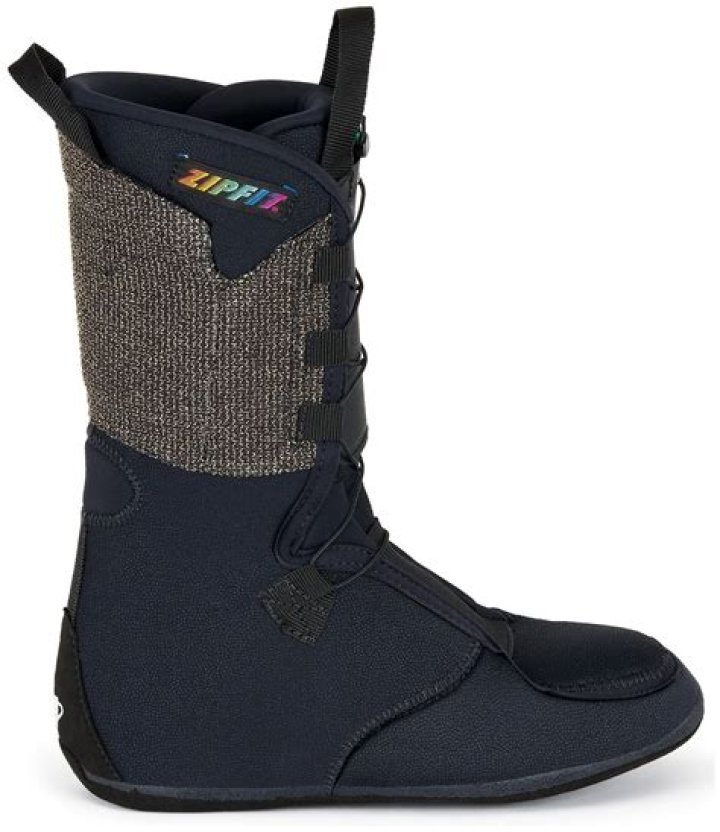
The evolution of waxless skis did not stop here. There is another option of no-wax skis that uses skins to protect the ski from erosion and give you the glide you want. This means you don't have to spend your time worrying about waxing.
Can you add skins to XC skis?
Classic cross–country skis that are called skin skis are really easy to use compared to waxable skis. The grip zone on these skis can be changed by applying skins.
What do you use for waxless skis?
Toko Grip & Glide Wax, Swix Easy Glide, or the venerable Maxiglide are products specifically designed for use with waxless skis. Either product should be applied to the entire base of the ski, both the glide area as well as the kick zone.
Can you put wax on waxless cross-country skis?
Yes. For recreational cross-country skiing, universal liquid and paste waxes are fine for waxing your waxless cross-country skis. These types of waxes are convenient because they don't require a hot iron, scraping tool, or brushes with which to apply.
Can you skate ski with skins?
Skin skis will be more rewarding with good technique. We suggest lessons for all skiers as they develop in the sport. Incidental contact between your grip zone and the snow happens. Skins do not drag as much as crowns, but will still slow you down some compared with waxable skis.
21 related questions foundAre skin skis worth it?
At a high level, the technology is really very good. Skin skis potentially offer more performance than a wax-less ski, but less than a well waxed waxable ski – however only for the right skier.
How long do Nordic skins last?
If used on clean snow the skin will last anywhere from 3-5 years or more.
How do you keep waxless skis from sticking?
How To Prevent Snow Sticking To Your Skis. Glide waxing your ski base is the only solution to prevent snow from sticking to it. It allows you to enjoy a smoother and speedier skiing along with improved gear since your ski base won't get stuck in ice – be it waxable or waxless skis.
Do you have to wax waxless skis?
Without question, the use of the term “waxless” in the marketing of scale-patterned xc skis worked terrifically. However, in this context waxless only refers to the use of kick wax. You still need to routinely apply glide wax to the ski's tips and tails.
What is skin ski?
Skin skis are a twist on waxless classic technology that dates back further than most skiers realize. Originally, strips of animal hide with fur still attached were placed on the bottom of skis for uphill travel. The hair fibers allow forward sliding but grab the snow when pushed backward.
What are cross country ski skins?
Cross Country Ski Skins
Skins for cross country skiing are used to grip the snow so that the skiers can push forwards and glide along the track. Also known as Nordic ski skins, they are made out of mohair or nylon material and are positioned on the ski base, directly underneath the bindings.
What is mohair ski?
Mohair- Mohair skins are the polar opposite of nylon skins in terms of glide-versus-grip and durability. Manufactured from the (humanely removed) hair of the Angora goat, mohair provides exceptional glide for efficiency and speed on long tours into the backcountry or for ski mountaineering.
What is Rossignol R skin?
The DELTA COMP R-SKIN is a race-ready, high-performance mohair classic ski for expert and fitness-oriented skiers.
How do I know if my skis are Waxless?
If you have a Waxless ski, then your Grip Wax Pocket will have a textured surface- looking almost like fish scales. Waxless skis do not require Grip Wax, but still would benefit from Glide Wax.
How do you clean cross country ski skins?
Use the cloth to apply the cleaning product to the skin in the direction of glide (from the front to the back of the ski). This will remove any wax residue and dirt that accumulate on the skin. Use the nylon brush to brush the skin in the direction of glide and grain of the ski.
Do you wax fish scales on cross-country skis?
Waxless skis are common with recreational cross country skiers. Traditional classic skis do not have scales on the base, in the kick zone, under the binding. The base is smooth from tip to heel. Like “fish scale” waxless skis, traditional classic skis are hot waxed at the tip and heel of the base with glide wax.
Why are my cross-country skis sticking?
“When you're skiing, you're causing friction and creating water from ice. Water has a very strong bond to itself, so it sticks to things. That's why it's sticky snow.” Temperature also determines the crystal formation of snow, which further affects ski performance.
What is corn snow?
Large-grained, rounded crystals formed from repeated melting and freezing of the snow. Under Corn Snow or Melt-Freeze conditions, a crust forms on the surface that will support your weight when frozen, but turns to deep slush during the heat of the day.
How do you glide wax Nordic skis?
Glide waxing your classic cross-country skis
- Clean the ski base by brushing it.
- Apply the wax and iron on the two glide zones.
- Let the wax cool down for at least 10 minutes.
- Scrape the groove then the ski base to remove any excess wax.
- Brush again to get a better finish.
Are skate skis Waxless?
Skating skis are designed with an alpine camber. That means they have a less-pronounced arch from tip to tail, rather than the raised, high-arch "wax pocket" found on touring skis, which have cross-country camber.
Should you wax skin skis?
One of the best benefits of skin skis is that they are low maintenance. Like all classic skis, you will need to wax the glide zone about every 100k, but the skin itself doesn't need any treatment before heading out on the trails.
Do I need skin wax?
Waxing the plush side of your skins is also important for maximum performance. Just as wax for your ski bases repel water and snow particles as you slide downhill, wax coated on the hairs of your climbing skins increases glide and prevents glopping on the way up.
Can you race on skin skis?
Although the Salomon S/Race Skin skis can be fast in certain track conditions, they will likely never be a “race” ski on race day. This is because any well-informed and experienced classic ski waxer should be able to put together a wax program that works for kick and has superior glide for the conditions.