Studies have shown that baking soda and peroxide together can kill some of the bugs that cause gum disease, reduce plaque and reduce gum inflammation. Did you know that it can also whiten teeth? Stir mixture into paste-like consistency.
Is it safe to mix baking soda with hydrogen peroxide?
Is hydrogen peroxide and baking soda safe? Hydrogen peroxide and baking soda are completely safe and are even recommended for cleaning and whitening your teeth. The combination can also conquer some of your toughest cleaning jobs including baked-on grease, dingy grout, laundry stains, and hard water buildup.
What should you not mix with hydrogen peroxide?
Cleaning Products You Should Never Mix
- Hydrogen peroxide + vinegar. While these two chemicals can be used in succession as a cleaning duo, do not mix them together. ...
- Drain cleaner + more drain cleaner. ...
- Bleach + ammonia. ...
- Bleach + rubbing alcohol. ...
- Bleach + vinegar.
What can hydrogen peroxide mix with?
While hydrogen peroxide can be used to clean so many things, it's best to only mix it with water. Combining the solution with ammonia, chlorine bleach, or vinegar in a closed container can cause unsafe gasses to form.
What happens when you mix baking soda vinegar and hydrogen peroxide?
Hydrogen Peroxide + Vinegar
Experts say this method is safe — but don't mix the two products in the same container. Combining them creates peracetic acid, which is potentially toxic and can irritate the skin, eyes, and respiratory system.
37 related questions foundCan you mix hydrogen peroxide and baking soda and dish soap?
Mrs. Fixit: Baking Soda & Peroxide
Mix together two tablespoons hydrogen peroxide, a tablespoon of baking soda and a tablespoon of dish soap. Spread the mixture over any stain; let it sit for a bit and then launder as directed. This pre-treater is quick and inexpensive.
How often should you brush with hydrogen peroxide and baking soda?
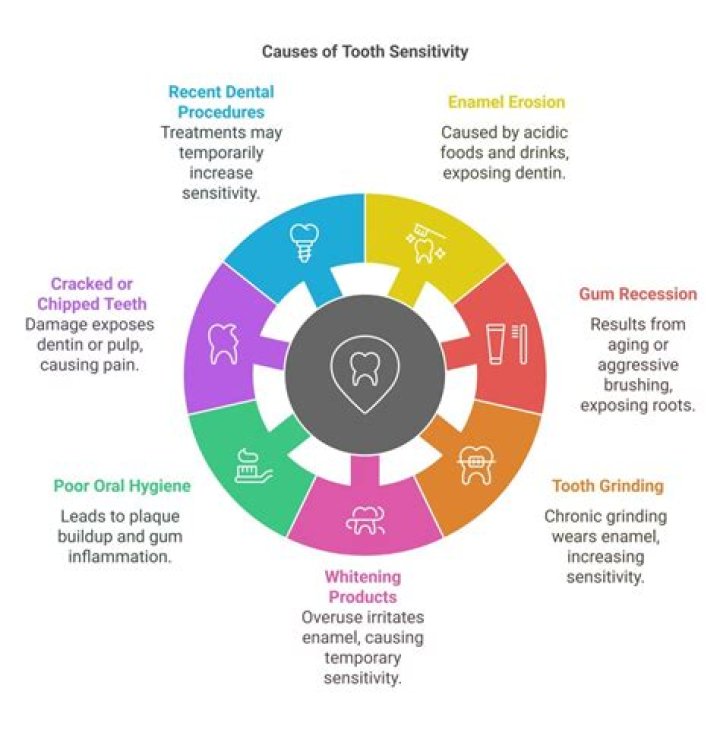
Brush with this paste and thoroughly rinse! Use this paste in moderation; no more than 2-3 times a week. Too much baking soda can break down enamel, which may lead to sensitivity.
What can you not use hydrogen peroxide to clean?
Also, do not mix hydrogen peroxide and vinegar together. Combining the two will form peracetic acid, which could irritate your skin, eyes and respiratory system. In serious cases, peracetic acid can even cause permanent lung damage.
Can you mix rubbing alcohol and hydrogen peroxide?
Well, You can mix rubbing alcohol and hydrogen peroxide without any negative effects occurring. Of course, it's always a good idea to take care when mixing two chemicals, and you should never consume the mixture, but nothing bad will happen as long as you follow these basic guidelines.
What should you not mix with baking soda?
The other thing to be careful of with baking soda is combining it with something acidic, like vinegar or lemon juice. As the chemicals combine with that satisfying fizz, they form a gas. If you combine them in a sealed container, like a soda bottle, it could potentially explode and harm you.
Can you add baking soda to bleach?
Mixing bleach and baking soda has no harmful effects, and baking soda may probably be the only cleaning agent you can safely mix with bleach. This is because this mixture won't react badly and create toxic gases like chloramine the way other cleaning agents do.
Can you mix rubbing alcohol and baking soda?
This reaction happens spontaneously and without warning. Mixing these two will form a corrosive, toxic chemical known as peracetic acid. This chemical could irritate your eyes and nose, but in extreme cases could cause serve chemical burns to your skin and mucous membranes.
Is it safe to brush your teeth with hydrogen peroxide and baking soda?
According to the American Dental Association, going beyond the ideal 3.6% concentration of hydrogen peroxide can be damaging to your teeth. Gum irritation: The abrasive nature of baking soda and the extreme acidity from hydrogen peroxide solution can irritate and damage the gums.
How do you make a cleaning solution with baking soda?
Mix 1 2/3 cups baking soda and 1/2 cup liquid soap in a bowl. Dilute with1/2 cup water and add 2 tablespoons of white vinegar. Stir the mixture with a fork until any lumps dissolve. Pour the liquid into a spray bottle.
Can you mix hydrogen peroxide and Dawn dish soap?
Mix one part blue dish soap with two parts hydrogen peroxide. Apply to the stain, let sit for 10 minutes (or longer), and rinse. (Always perform a spot check first to a discreet area of fabric.)
Does hydrogen peroxide disinfect things?
Hydrogen peroxide is another antiseptic, or disinfectant, that kills viruses and various forms of bacteria. But it needs more time than rubbing alcohol does to kill germs. It needs up to 5 minutes to do its job.
Which is better for cleaning vinegar or hydrogen peroxide?
Each solution has its own disinfection properties. Vinegar works as a disinfectant thanks to its high acidic content. Meanwhile, hydrogen peroxide is an effective disinfectant because it produces free oxygen radicals, which destroy bacterial cells when hydrogen peroxide comes in contact with bacteria.
Can I dilute hydrogen peroxide with tap water?
In the hydrogen peroxide dilution chart, above, I just say “water”. But what kind of water? That will depend on what you are planning to use the peroxide for. For most purposes, tap water will work.
How do I mix hydrogen peroxide?
Start with a 3% concentration of hydrogen peroxide. This is the strength you'll find in a brown bottle at most drug stores. Next, combine one part hydrogen peroxide with two parts water. Your final mix will have a concentration of 1% hydrogen peroxide.
Do you need to dilute 3% hydrogen peroxide?
The brown bottles at the drugstore are usually 3%. Hydrogen peroxide will say on the label what PERCENTAGE it is. So, bear with me here: If you buy a bottle of 3% peroxide, you do NOT add water to it to make 3%. It is already 3%, without diluting it.
Why did my gums turn white after using peroxide?
This is due to the higher concentration of hydrogen peroxide. When the bleaching trays lie on the edges of the gum, some patients' gums turn white in a few seconds and cause sensitivity.
Is hydrogen peroxide in toothpaste safe?
The use of toothpastes, mouth rinses and tooth whiteners containing up to 0.1% hydrogen peroxide does not pose a risk to the health of the consumer. Toothpastes and mouth rinses should not contain more than 0.1% hydrogen peroxide.
How can I get rid of yellow teeth naturally?
Remedies for yellow teeth
- Brushing your teeth. Your first plan of action should be to brush your teeth more often and in the correct manner. ...
- Baking soda and hydrogen peroxide. ...
- Coconut oil pulling. ...
- Apple cider vinegar. ...
- Lemon, orange, or banana peels. ...
- Activated charcoal. ...
- Eating fruits and vegetables with a higher water content.