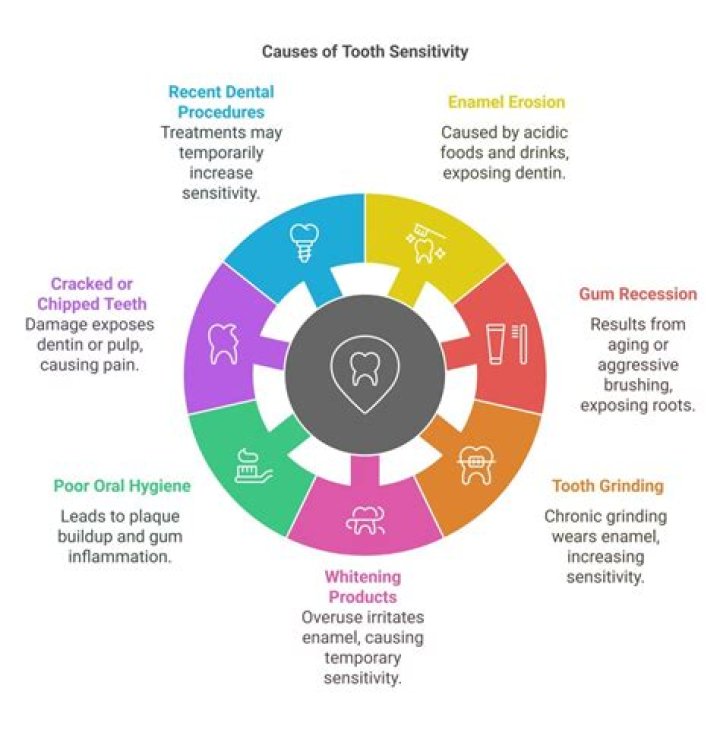
Aside from alcohol, studies also show that commercially available mouthwashes have low PH level or are highly acidic with acid levels that are almost the same as your household vinegar. This compounds the deleterious effect of the alcohol in your mouthwash by hastening the erosion of your tooth enamel.
Is it harmful to use mouthwash daily?
Mouthwash every day is also a great addition to your oral care routine. If used daily, it is a great way to freshen your breath and kill any harmful bacteria left over after flossing and brushing. To get in touch with a top Hollywood dentist, look no further than GLO Modern Dental!
Do dentists recommend mouthwash?
However, most dentists highly recommend adding mouthwash to your morning and evening routine. Additionally, people with certain medical conditions such as dry socket, tooth sensitivity, and xerostomia (aka dry mouth) may very well find mouthwash essential.
Why mouthwash is not good for you?
It destroys the bacterial balance in your mouth, dries out the skin, causes imbalances in pH levels, worsens bad breath, may cause mouth ulcers and increase your risk for oral cancer, and it may contribute to the development of gingivitis.
Why do dentists not recommend mouthwash?
However, the ADA warns against frequent, long-term use of these types of mouthwashes due to the potential for teeth discoloration and staining of dental restorations. Mouthwash labeled as “whitening” mouthwash may or may not contain antimicrobial ingredients.
28 related questions foundWhat is the healthiest mouthwash to use?
6 best natural mouthwashes for oral health.
- hello Naturally Healthy Anti-Gingivitis Mouthwash.
- Tom's of Maine Wicked Fresh Mouthwash.
- Tom's of Maine Whole Care Anticavity Mouthwash.
- hello Kids Wild Strawberry Anticavity Mouthwash.
- hello Naturally Fresh Antiseptic Mouthwash.
- hello Fresh Spearmint Moisturizing Mouthwash.
What is the safest mouthwash to use?
Healthline's picks for the best mouthwashes for better dental care
- Crest Pro-Health Multi-Protection. SHOP NOW AT Amazon. ...
- Crest Pro-Health Advanced with Extra Whitening. ...
- ACT Total Care Anticavity Fluoride. ...
- ACT Dry Mouth. ...
- Colgate Total Pro-Shield. ...
- Listerine Cool Mint Antiseptic. ...
- TheraBreath Fresh Breath. ...
- CloSYS Ultra Sensitive.
What are the side effects of mouthwash?
Chlorhexidine mouthwash side effects
- Staining. Chlorhexidine might cause staining of tooth surfaces, restorations, and the tongue. ...
- Alteration in taste. Come people experience an alteration in taste during treatment. ...
- Tartar formation. You may have an increase in tartar formation.
Should I use mouthwash before bed?
Use Mouthwash
Therapeutic mouthwashes can strengthen your teeth and treat some oral health conditions. Rinsing your mouth with one of these mouthwashes before bed can help to avert gingivitis and guard your teeth against cavities and plaque.
Should I rinse after mouthwash?
It is not recommended to rinse your mouth with water after you have just used mouthwash. This is because many mouthwashes contain ingredients such as fluoride that need time to start working. If you rinse your mouth out straight after, the fluoride will also be washed away during the rinsing.
What is the #1 dentist recommended brand of mouthwash?
Listerine antiseptic mouth rinse – is the #1 dentist recommended brand and most widely used in the country. This triple action formula can kill germs; leave your mouth feeling cleaner and fresher.
Should I use mouthwash before or after brushing?
The good news is, it won't matter. You can rinse your mouth with mouthwash before or after you brush and/or floss without significantly affecting its benefits.
How often should you use mouthwash?
How often should you use mouthwash? It bears repeating that mouthwash isn't a replacement for brushing and flossing. It's also not necessary to use mouthwash in order to keep your mouth clean. Most mouthwash products recommend that you use them twice per day, after brushing and flossing.
How long should you use mouthwash?
When should I swish with mouthwash? It doesn't matter if you do it before you brush and floss or after. How long should I swish? Do it for 30 to 60 seconds.
How often should I brush my teeth?
The American Dental Association recommends brushing your teeth twice a day with fluoride toothpaste for two minutes each time.
Should I use a mouthwash?
Using mouthwash daily can help reduce bacteria, so you reduce the likelihood of developing bad breath or dental problems. Mouthwash alone isn't enough to keep teeth strong and healthy, but it makes brushing and flossing even more effective.
Is it OK to use mouthwash instead of brushing?
Mouthwash Is a Short-Term Fix
But brush as soon after as you can. And if breath isn't fresh after a good brushing, it typically means it's packed full of bacteria. Mouthwash doesn't remove the sticky plaque and bacteria that only a good brushing and flossing can.
Why do you have to wait 30 minutes after mouthwash?
Short answer: It doesn't matter. However, if you are using a fluoride toothpaste, wait at least 30 minutes before you rinse (yes, even a fluoride one) as it'll wash away the fluoride from the toothpaste before it can do its job. If you do use a fluoride mouthwash, wait 30 minutes before you eat or drink.
Why does my mouth sting when I use mouthwash?
Menthol is in toothpaste, gum — and of course — mouthwash, and it is sourced as an oil primarily from peppermint. This gives it a strong, minty flavor and makes your mouth tingly and cold. Rinses with high levels of menthol are likely to sting the most.
Is using LISTERINE safe?
But on the whole, mouthwash isn't bad for your health or harmful for you to use. You can use mouthwash as a part of a healthy oral hygiene routine, or you can opt out of using it. It's really just a matter of personal preference.
Can LISTERINE discolor your teeth?
Sadly, some mouthwashes may actually contribute to tooth staining and detract from the overall appearance of your smile. Mouthwashes that contain chlorhexidine gluconate (CG) are often marketed for the treatment of gum disease.
How many times a day can you use LISTERINE?
A general rule of thumb for safe use is to limit the use of mouthwash to one time per day, in conjunction with brushing the teeth and flossing two to three times per day and visiting the dentist one to two times per year for routine oral health exams and screenings for oral cancers.
What happens if gums recede too much?
In periodontitis, the gum and connective tissues pull away, and a pocket forms between the tooth and gum that can collect bacteria. Over time, the bacteria cause further inflammation. If the gums recede too much, it may result in bone loss, which can cause teeth to loosen or fall out.
Can salt water tighten loose teeth?
Saltwater gargles are as simple as mixing a tablespoon of salt in about six ounces of warm water. You then swish the saltwater in your mouth for a few minutes, spit it out, and repeat several times. If the damage to the area is minimal, the gums can strengthen to hold the tooth tighter in place.
Can gums grow back?
While your gums won't grow back on their own, surgical treatment can be used to replace the missing tissue, and restore both your appearance and your oral health. Gum grafting involves taking soft tissue from another part of the mouth and grafting it onto your gums.