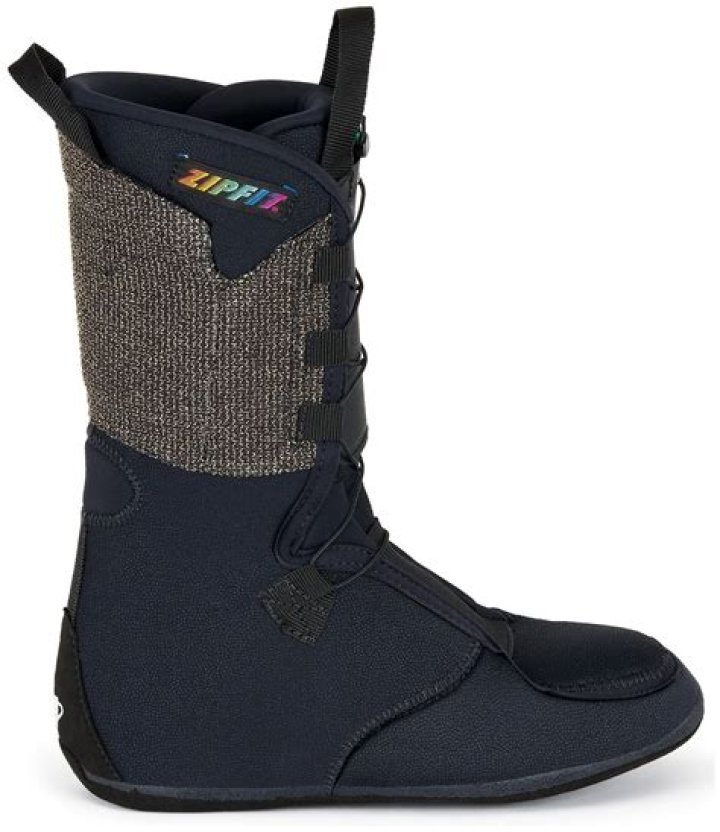
Generally, it is best to avoid cotton because it holds moisture and traps it against your skin, which causes blisters in the summer and coldness in the winter. Using technical synthetic materials instead will help to transport the sweat away from your skin.
Which type of socks are good for running?
The best running socks are made from synthetic materials such as polyester, acrylic, and CoolMax because these fibers wick moisture away from the surface of your skin. You may be familiar with these fabrics for technical running shirts, and they work great on your feet as well.
Are cotton socks better for your feet?
Cotton socks can cause blisters, because of the friction of the material against the foot. It also holds in moisture. This can lead to fungus and bacterial infections. Cotton also doesn't hold its shape.
Are cotton socks good for sweaty feet?
Cotton is the most common type of sock material. However, you shouldn't wear cotton socks if you have sweaty feet! Cotton is a natural fiber that is very absorbent. It holds on to moisture!
Is it good to have cotton socks?
Cotton socks are breathable, much more so than polyester. This ensures your feet will sweat less, and the material will wick away excess moisture. Cotton is also very good for sensitive skin or if you suffer from any allergies.
28 related questions foundIs it better to wear cotton or polyester socks?
Durability: As a sock fabric, polyester is much stronger and more durable than cotton or wool. This means that polyester socks don't just last longer; they also hold their original shape better.
Should athletic socks be cotton or polyester?
The material doesn't wick away moisture, effectively leaving your feet in a puddle of sweat, which can cause blisters, calluses, chafing, and hot spots. That's why the best running socks do not contain the word “cotton.” Look for synthetics: nylon, polyester, Lycra, spandex, compression, and other non-cotton words.
What type of socks are best for stinky feet?
“Moisture-wicking fabrics include polyester, merino wool, and nylon [and they] allow the sweat to evaporate so the socks can dry faster.” Other moisture-wicking materials include Lycra and CoolMax technology fabrics, which are a combination of spandex, wool, or cotton.
Are cotton or polyester socks better for sweaty feet?
Polyester can make your body sweat tremendously, because it's a great insulator. Your skin will not breathe nearly as much as with cotton. You'll sweat more than you would wearing cotton. Polyester isn't the best choice of fabric during the summer, since you'll perspire quite easily.
How do I stop my feet from sweating when I run?
People can try using the following methods to prevent sweaty feet:
- Keeping a journal of sweating episodes. Log episodes of sweaty feet in a notebook and look for patterns. ...
- Wearing the right socks. ...
- Using antifungal powders. ...
- Applying antiperspirant. ...
- Choosing the right shoes. ...
- Staying hydrated.
Why is it hard to find 100 cotton socks?
First, 100% cotton socks are harder to find and more expensive. Cotton is a more expensive fabric than polyester and is something to be aware of if you are on a strict budget. If you are environmentally conscious as well, the organic cotton business is booming but also affects the price of products significantly.
What percentage cotton is best for socks?
Because cotton fibers tend to stretch easily and produce blistering, 100% cotton socks are best for dressing or lighting casual wear. Many cotton socks manufacturers include synthetic fibers into the weave as they are meant for the softness and durability of cotton. Overall, cotton socks are more durable and lasting.
Why all cotton socks may give you blisters?
Wearing cotton socks, in particular, can make the potential for blister formation much worse in comparison to wool or synthetic socks because cotton socks absorb sweat. This only serves to keep your feet damp for extended periods which then exacerbates blister formation.
Should runners wear socks?
A good pair of running socks can be just as important as a good pair of shoes. Running-specific socks are designed to reduce blisters, wick moisture, and keep your feet more comfortable.
Should running socks be thick or thin?
In general, thicker socks are most appropriate for cooler seasons. On the other hand, the thinner socks are lighter and tend to have a better road feel, but might result in excessive friction when running, especially if you're prone to blisters. Generally, thin socks are ideal for hotter seasons.
Can socks affect running?
Running socks are as important to a runner's comfort and performance as a decent pair of running shoes. Choosing the wrong pair of socks could lead a blisterful rather than a blissful running experience. Here's why socks are important to the runner.
Are bamboo socks better than cotton?
Bamboo fabric helps wearers keep pleasantly dry feet thanks to the hollow structure of the fibres which makes it super-absorbent. This means that the material effectively wicks moisture away from the skin. Bamboo is very breathable and far better in this respect than cotton or wool socks.
How do you know if a sock is cotton?
You can test fabric for 100% cotton using the burn test. Take a few fibers and hold them against a flame. 100% cotton will not curl from the heat. It smells like burning paper and leaves grayish ash without signs of melting.
Why do some socks make my feet stink?
Wearing shoes and socks traps sweat and bacteria, often making foot odor worse. Bacteria collect in your shoes, socks, and on your skin. The bacteria multiply, eating the dead skin cells and oil that are on your feet. As the bacteria breaks down, it releases a smelly odor.
Are bombas socks 100 cotton?
Fabrics and fits to consider:
However, Bombas' pairs aren't 100% cotton, and Polyester wicks away moisture quickly — the combination of the two and the careful percentages of each (62% and 31%) could be why Bombas' socks are soft (from the cotton) but feel well-ventilated and never sweaty (from the polyester).
Why do Adidas socks make my feet stink?
Your Socks Are Synthetic
That dark, warm, damp environment makes your feet a bacteria playground. Even if they're naturally occurring, bacteria can quickly grow out of control, leading to a stink-fest. If the sweat soaks into your shoes, the effect is only heightened.
Are thick socks good for smelly feet?
The Best Socks For Stinky Feet: What To Look For
Merino %: The higher the wool %, the softer the sock, but also less durable. Look for Merino blends. Fabric Thickness: Lighter fabrics provide more breathability, yet thicker materials may be warmer.
Are nylon or cotton socks better?
Nylon. Nylon, or Polyamide, is the first synthetic fiber in the world. Its most outstanding property is its exceptional strength and the resulting high durability, 10 times more than cotton, and 20 times more than wool. It is also stronger than polyester.
Why is cotton better than polyester?
Polyester is hydrophobic and for this reason, fabrics made with polyester don't absorb perspiration. Cotton on the other hand absorbs moisture. Cotton is more breathable than polyester and also extremely hypoallergenic. Those with sensitive skin tolerate 100 per cent cotton better than polyester.
Do quality of socks matter?
Good quality socks can last for many years and never show a hole or start to fray. In addition to the fact that quality socks are good for your wallet in the long run--or even the long walk--they will also be much better for Mother Earth.